The 6-Step Customer Referral Journey
At WATT911, we believe that navigating home or commercial electrical repairs should be clear, predictable, and transparent from the moment you identify a system issue. Our referral network operates under a defined six-stage workflow designed to connect your project requirements with an independent contractor equipped to complete the job safely and in compliance with Indiana building codes.
Step 1: Identify Your Electrical Service Need
Every electrical project begins with a specific diagnostic symptom or planned facility upgrade. Whether you are experiencing flickering branch circuits, require a 200-amp service entrance upgrade, plan to install an automatic whole-home standby generator, or need three-phase industrial transformer servicing, having a clear understanding of your requirements helps our referral team direct your inquiry to the appropriate specialist.
Step 2: Contact the WATT911 Referral Desk
Reach out to our Indiana coordination desk by phone at (888) 605-9975 or explore our Indiana city directory to view service categories in your municipality. Our intake coordinator will ask for your geographic location, property type (single-family residential, multi-family, commercial facility, or light industrial), and a concise summary of the electrical work required.
Step 3: Matching With An Available Independent Contractor
Based on your specific project scope and municipal jurisdiction, WATT911 identifies participating independent electrical contractors whose verified service territory, local licensing registrations, and scheduling availability align with your request. We do not blast your contact information across public bid boards. We coordinate directly with independent contractors who have confirmed capacity to take on new projects.
Step 4: Contractor Consultation & On-Site Assessment
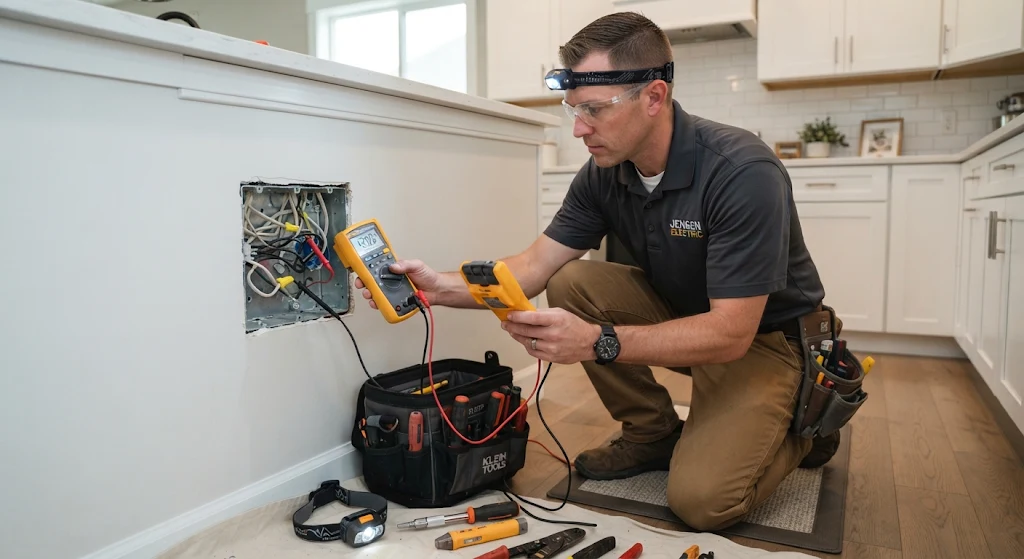
The matched independent contractor contacts you directly to review your project details. For straightforward repairs or planned equipment additions, they will schedule an on-site technical inspection. Because electrical safety requires hands-on measurement of voltage drops, panel capacity, grounding electrodes, and wire integrity, an on-site visit ensures the contractor can provide an accurate, code-compliant proposal.
Step 5: Written Proposal, Scope of Work & Permitting
Following the technical assessment, the independent contractor provides a comprehensive written proposal detailing project scope, equipment specifications, labor, and anticipated timelines. If the work involves service modifications (such as a 200-amp service change, subpanel addition, or generator transfer switch), the contractor will coordinate required building permits with your local city or county building department and arrange utility disconnect/reconnect appointments with utilities such as AES Indiana, Duke Energy, or AEP Indiana Michigan Power.
Step 6: Code-Compliant Installation & Final Inspection
The contractor executes the installation or repair in strict accordance with the Indiana Electrical Code (NFPA 70). Upon completion of permitted work, a municipal electrical inspector conducts a formal on-site code review to verify compliance before the utility installs a new meter or seals the service enclosure. You complete payment directly to the contractor under your agreed terms.
Important Consumer Protections & Contractor Verification
While WATT911 facilitates contractor introductions, property owners should always take standard consumer due-diligence steps before authorizing major electrical work. When your contractor arrives, verify:
- Local Registration: Confirm that the contractor holds an active license or registration with your local municipality or county building commission.
- Certificate of Insurance: Verify current commercial general liability insurance and workers' compensation coverage.
- Permit Documentation: For service changes, rewiring, or major circuit additions, ensure the contractor pulls a formal municipal building permit. Never agree to pull homeowner permits for work performed by a hired contractor.
- Written Contract: Ensure all warranties, scope items, and payment schedules are documented in writing before work begins.